TB-500 (Thymosin Beta-4 fragment): This 43-amino acid peptide regulates actin dynamics, facilitating cellular movement and tissue regeneration
These include an isolated case report of improved myelin markers in a patient treated with the atypical psychedelic ibogaine [20] and a preclinical study showing that psilocybin administration activates the immediate early gene Fos in oligodendrocytes [100]
TMAO not only induces endothelial dysfunction but also acts on various cell types, such as endothelial cells, epithelial cells, vascular smooth muscle cells, nerve cells, and pancreatic cells, triggering multiple cell death mechanisms, including necrosis and programmed cell death, thereby influencing host health
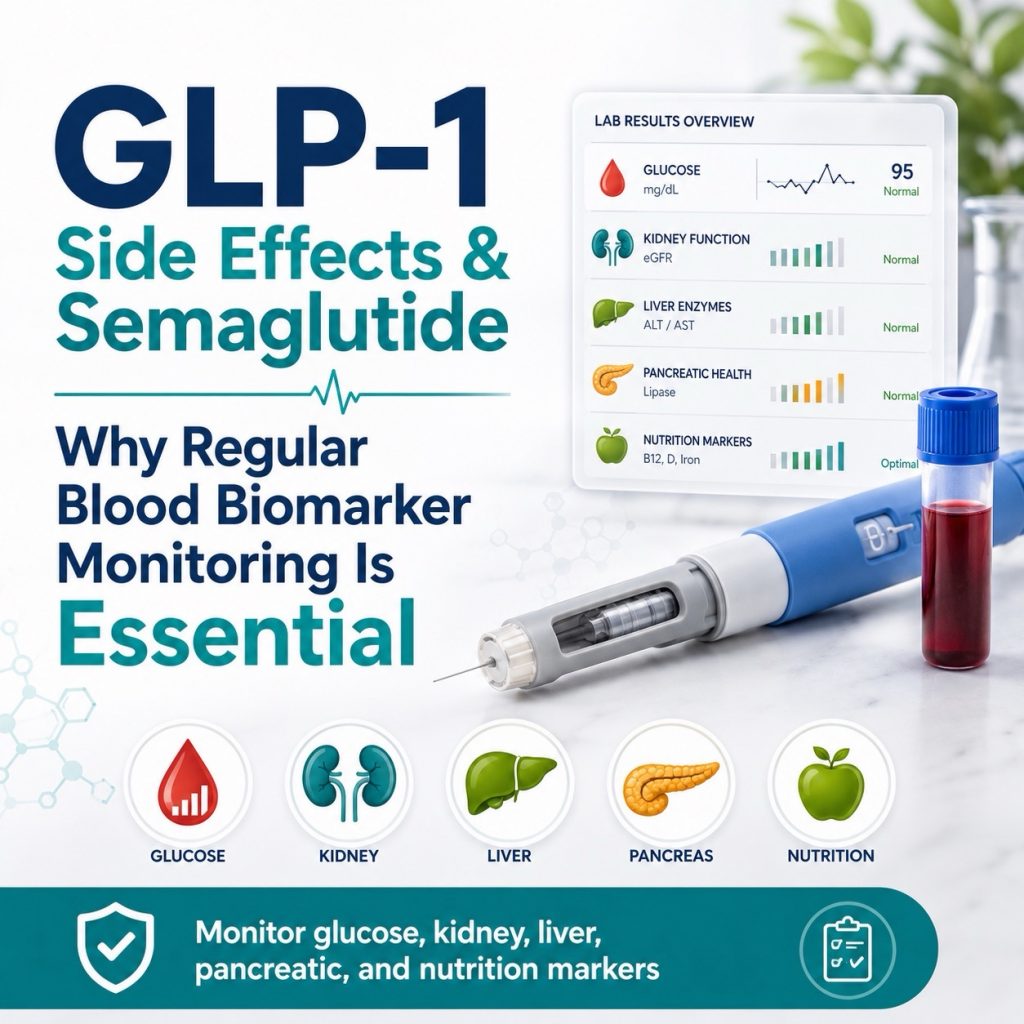
Heres what you'll learn: Why GLP-1 receptors throughout the mesolimbic system make these medications psychiatric tools, not just metabolic ones Evidence-based patient selection criteria (mechanism over BMI) How to navigate the scope of practice question Clinical decision frameworks for real-world implementation Why force multipliers matter for the approaching workforce crisis FAQs for clinical guidance Read on or listen to the full Psychiatry Tomorrow episode below: The Neurobiological Case for GLP-1s for Mental Health GLP-1 isn't only produced in gut L-cells